STEAM products for schools and labs

Authentic kits and components, quoted for your school. Add items to your quote list and we'll reply with pricing and delivery.

265 products

Filters

Clear all
Brand
Grade level

265 products

  • Grades 1–3Grades 4–5Grades 6–8

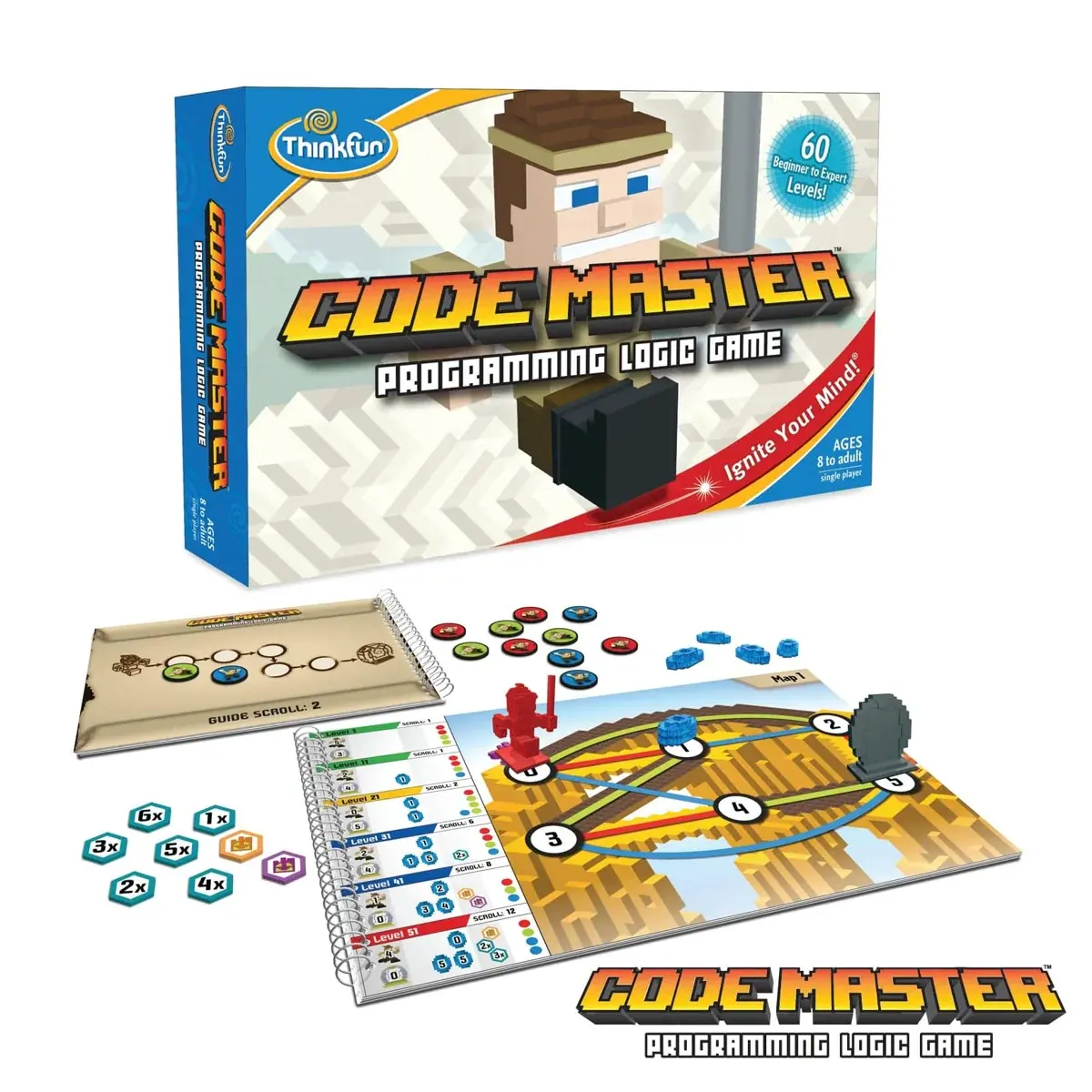
    Code Master

    Code Master from ThinkFun is a programming logic game played without a computer. The player's avatar travels across a fantasy world collecting power crystals, and in each level only one specific sequence of actions will collect every crystal and finish on the portal. Players arrange action tokens and conditional tokens into a program, then follow it step by step on the map to check whether it works. The set includes an avatar, a portal, 6 crystals, 10 maps with 60 levels, 12 guide scrolls, 12 action tokens, 8 conditional tokens, and instructions with solutions. Beyond introducing core programming ideas such as sequences and conditionals, the game builds planning, sequential reasoning and problem-solving skills. Its self-checking levels make it well suited to independent work, enrichment time or coding stations in upper-primary and middle-school classrooms.
  • Grades 1–3Grades 4–5Grades 6–8

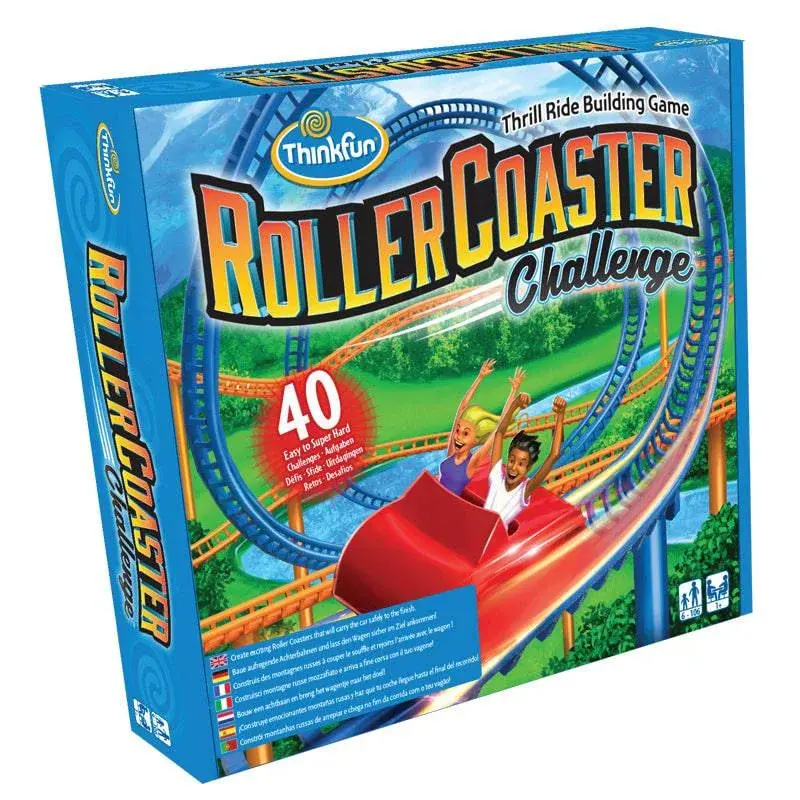
    Roller Coaster Challenge

    Roller Coaster Challenge from ThinkFun combines a marble run with a logic puzzle. Each challenge card shows how to set up part of the coaster on the game grid and which pieces are left to place; the player must work out where those pieces go so a working coaster runs from start to finish. The 40 challenges progress from Easy through Medium and Hard to Super Hard, and solutions are included. The set contains a game grid, 39 track pieces, 36 post pieces and 2 tunnels, and pieces such as the loop also allow free-form coaster building once the challenges are done. Players practise logical reasoning, critical thinking and visual-spatial planning while testing their designs with a real rolling car. It works well as a one-player activity in STEM centres or as a hands-on way to discuss height, slopes and motion with lower and upper-primary students.

  • Grades 1–3Grades 4–5Grades 6–8

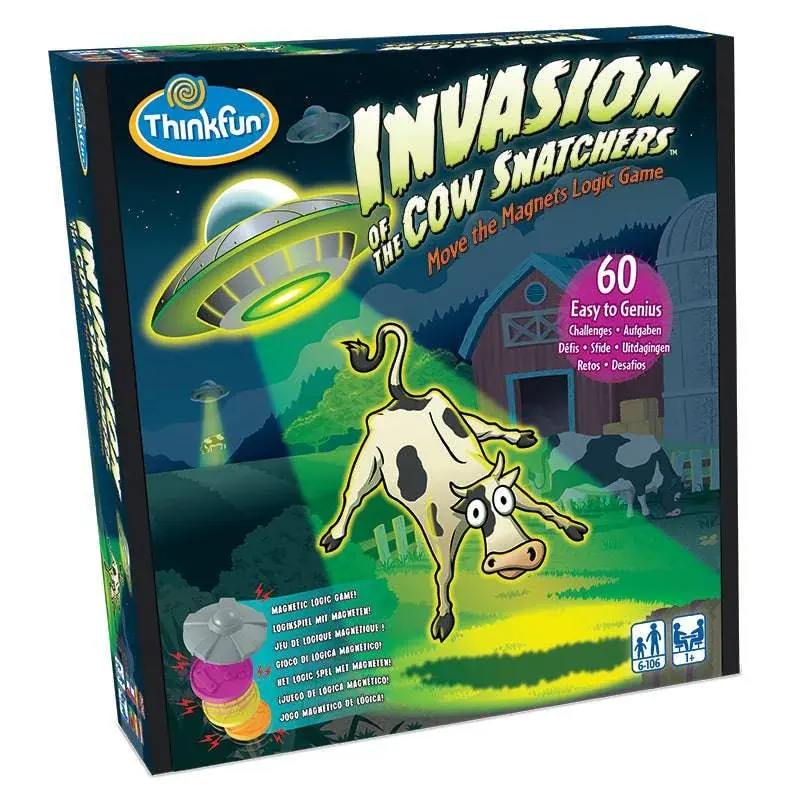
    Invasion of the Cow Snatchers

    Invasion of the Cow Snatchers from ThinkFun is a single-player magnetic logic game. Using a magnet, the player moves a UFO across a farm board, steering over and around obstacles to beam up the magnetic cows in the correct order. The game offers 60 challenges: 40 range from Easy to Super Hard for newer puzzlers, and a further 20 Genius-level challenges stretch experienced solvers. Each challenge requires players to plan a route before they move, since obstacles limit where the UFO can travel. The puzzles build sequential planning, spatial reasoning and persistence, the same habits of mind used in programming. It suits independent puzzle time, early-finisher activities or logic centres in primary classrooms.

  • KGGrades 1–3Grades 4–5

    Balance Beans

    Balance Beans from ThinkFun is a single-player game that blends logic puzzles with early maths. Children set up red beans on a seesaw as shown on a challenge card, then place the remaining coloured beans so the seesaw does not tip. Balancing the seesaw is really balancing an equation, so the game quietly introduces the thinking behind algebra. The set includes a game tray and base, 9 bean tokens (3 single, 3 double and 3 triple beans) and 40 challenges from Easy to Super Hard with solutions. Early challenges can be solved by trial and error, while later ones require reasoning about weight and position. This makes it a useful maths-centre activity for kindergarten and primary pupils, and a concrete way for teachers to talk about equality and balance.

  • KGGrades 1–3Grades 4–5

    Zingo 1-2-3

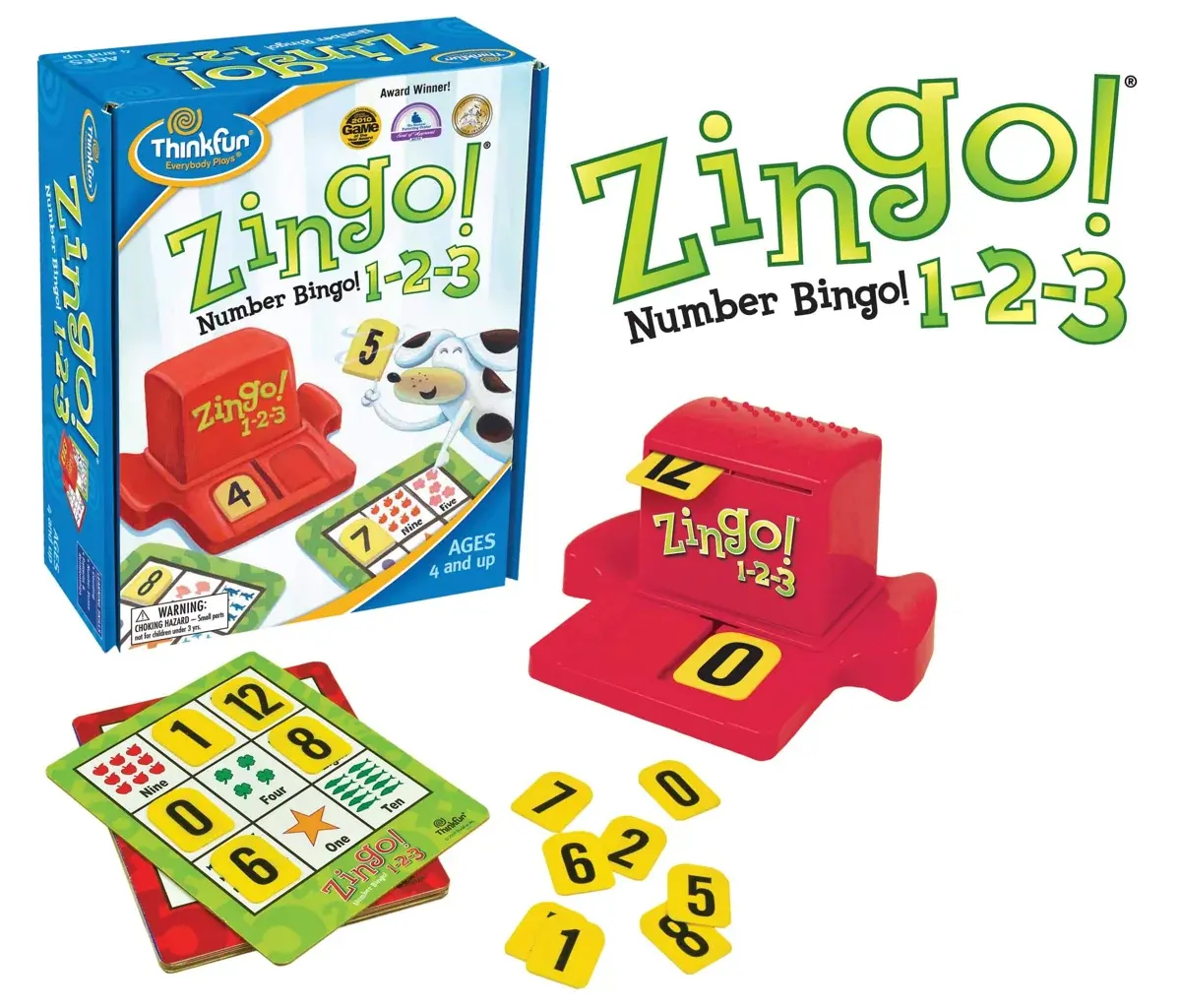
    Zingo! 1-2-3 from ThinkFun is a bingo-style game for early number learning. Players slide the Zingo! Zinger to reveal number tiles and race to match them to the spaces on their own challenge card; the first player to fill their card calls out "Zingo!" and wins. The game offers two levels of play and comes with 6 double-sided Zingo! cards, 72 double-sided tiles and the Zinger dispenser, which also makes tidying up quick. It is designed for two or more players. Matching numerals and quantities supports counting, number reading and pattern recognition in a lively, social format. Teachers can use it in small groups in kindergarten and early-primary classrooms to practise number sense through play.

  • KGGrades 1–3Grades 4–5

    Shape by Shape

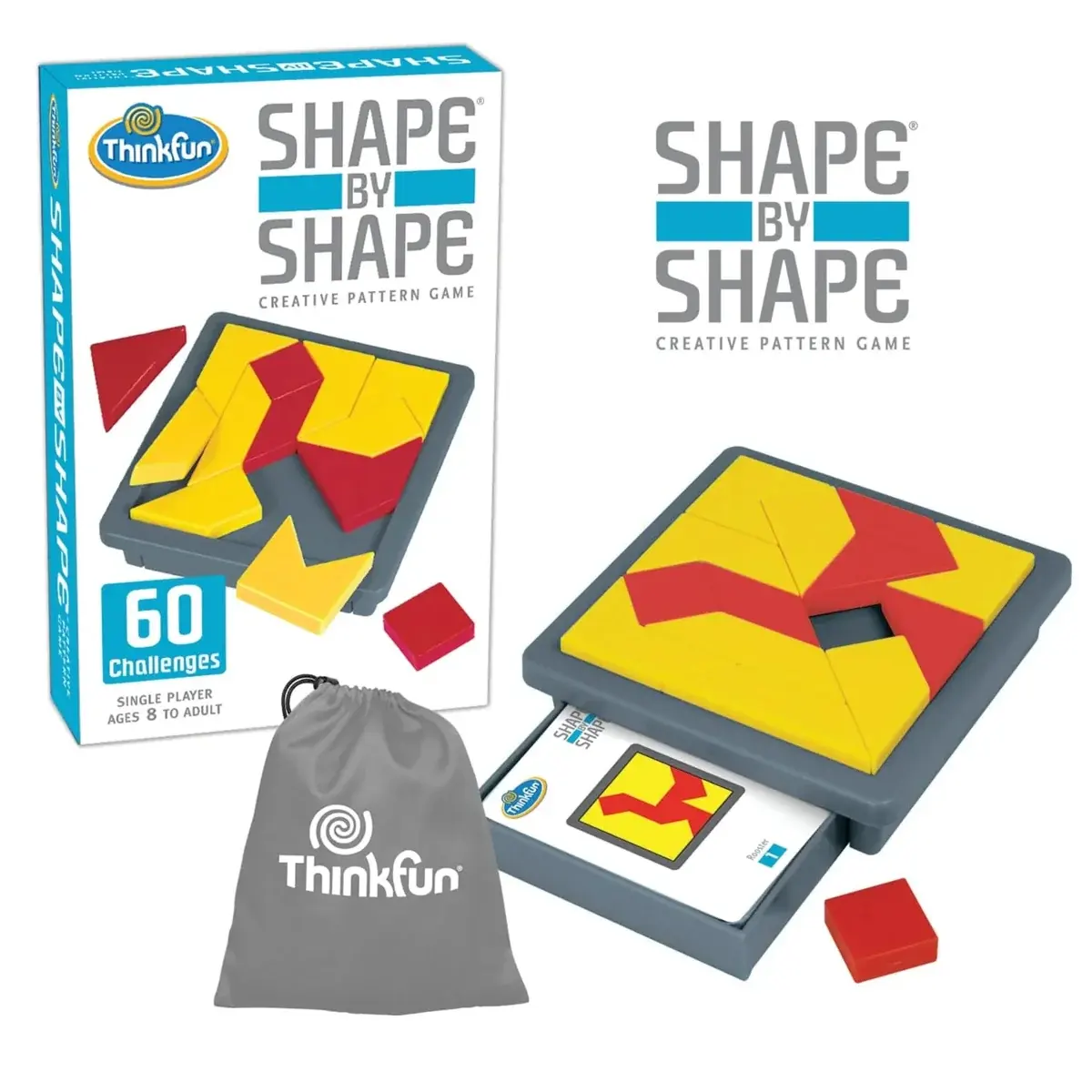
    Shape by Shape from ThinkFun is a single-player pattern puzzle based on the idea of tangrams, with an added twist. Players must form the shape shown on a challenge card and, at the same time, fill in the frame around it, which makes each solution more demanding. The game includes a game grid with card storage, 60 challenge cards, 14 puzzle pieces, a carry bag and instructions. The challenges increase in difficulty, so players can build confidence before moving to harder layouts. Working with the pieces strengthens spatial reasoning, visual perception and conceptual thinking. It is a compact option for maths and logic centres, early-finisher tasks or geometry lessons on shapes and composition in upper-primary classrooms.

  • KGGrades 1–3Grades 4–5

    Amaze

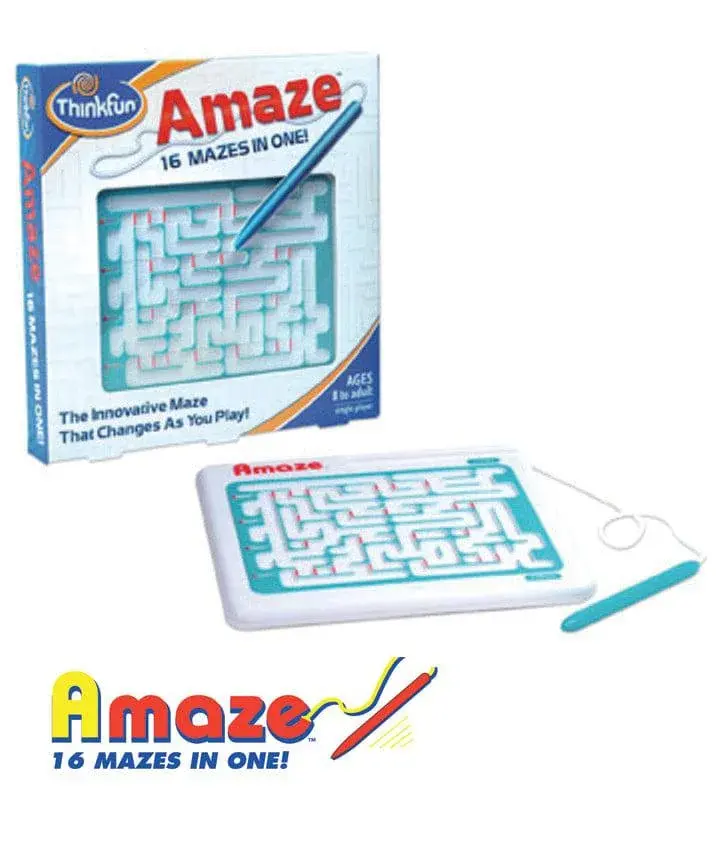
    Amaze from ThinkFun is a handheld maze puzzle with a twist: as the player pushes through movable gateways with the attached stylus, the paths change, so the route to the exit shifts during play while traps and dead ends must be avoided. The puzzle includes 16 different maze challenges in a single self-contained unit, with no loose pieces to lose, making it easy to store and carry. Because each move can alter the maze, players must think ahead and keep track of how the gates affect later steps, which develops visual perception and planning skills. It suits quiet independent work, travel-friendly enrichment kits and early-finisher activities.

  • Grades 1–3Grades 4–5Grades 6–8

    Laser Maze

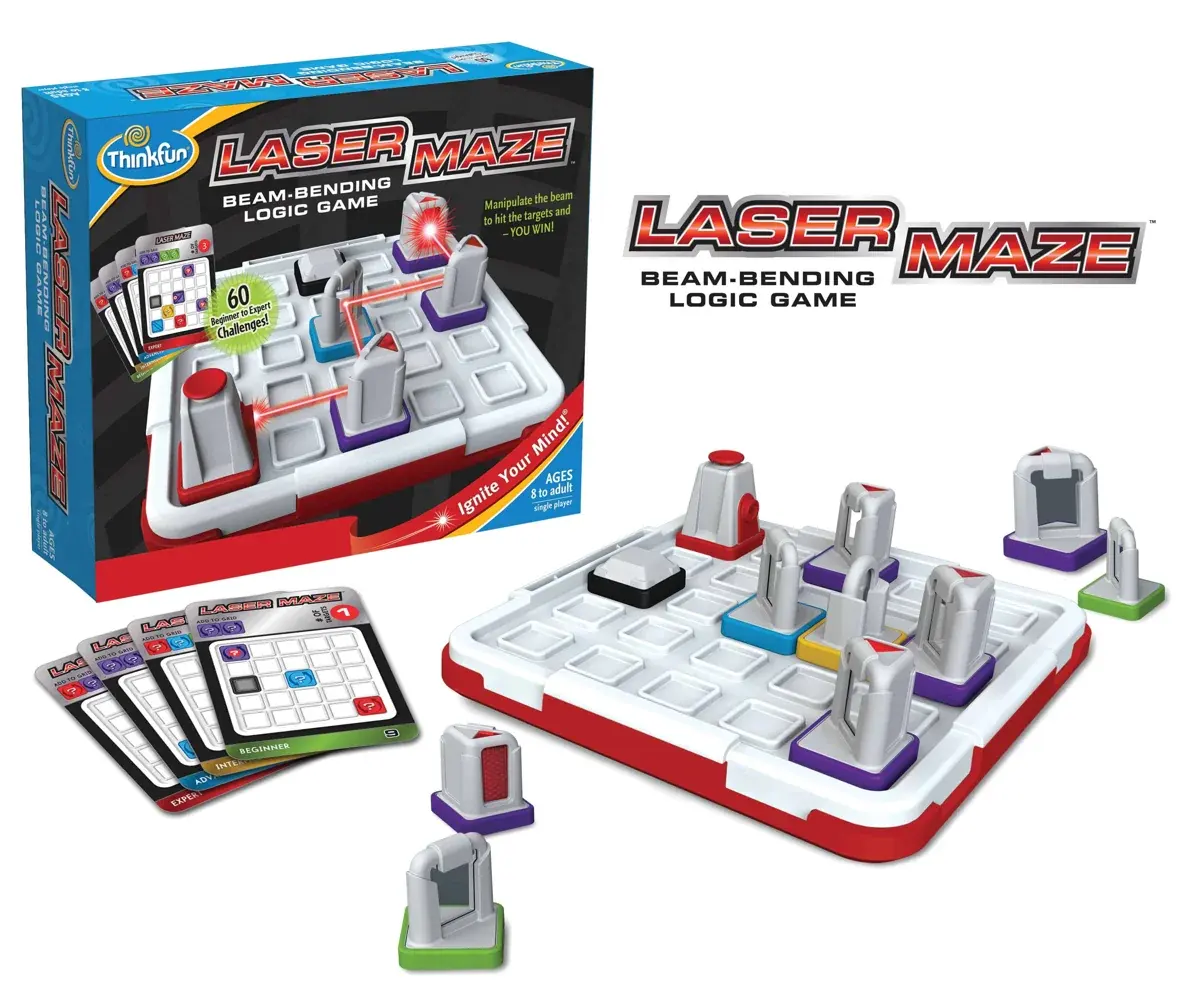
    Laser Maze from ThinkFun is a single-player logic game that uses a real, low-power laser. For each challenge, the player places mirrors, beam-splitters and other tokens on the grid to bend the beam so that it lights up the required targets. The game includes a game grid, 60 challenge cards from beginner to expert, and 11 game tokens: a laser, 2 beam-splitters, a mirror, a cell blocker, 5 target/mirror pieces and a checkpoint. The laser is powered by a button battery, so adult supervision of batteries is advised. Each puzzle combines deductive reasoning with basic ideas about how light reflects and splits, giving teachers a hands-on link to optics topics in science lessons. It works well as a logic-centre activity for upper-primary and middle-school students.

  • KGGrades 1–3Grades 4–5

    Cat Crimes

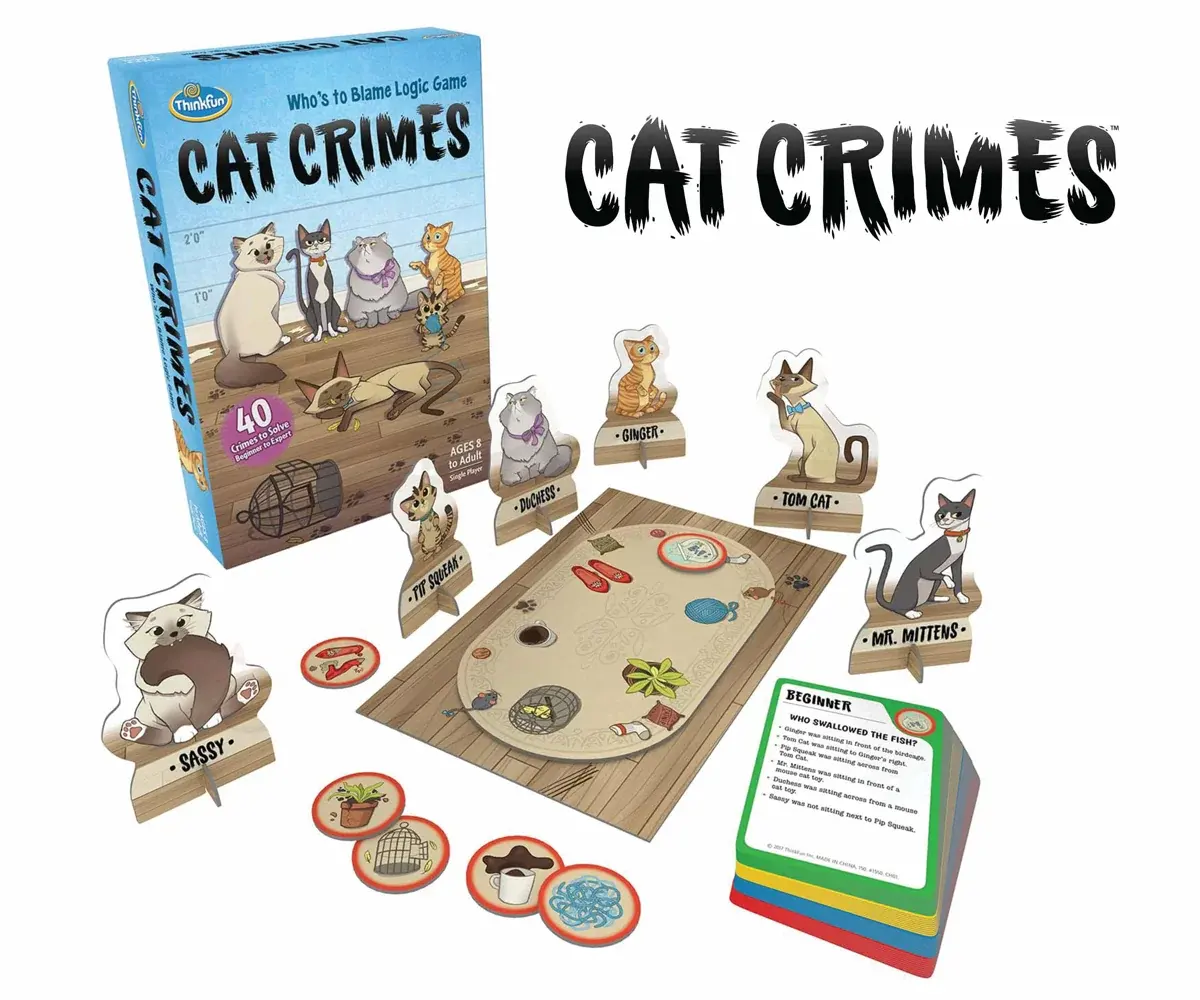
    Cat Crimes from ThinkFun is a single-player deduction game. Something has gone wrong around the house, such as tangled yarn or a missing bird, and the player must decide which of six cats is responsible by working out exactly where each one was sitting. Each challenge card gives clues about paw prints, the position of toys and how the cats are arranged. The game includes a game board, 6 cat tokens with stands, 6 crime tokens and 40 challenge cards with solutions. Solving the cases trains careful reading of clues, logical deduction and visual-spatial reasoning. The graded challenges make it suitable for independent work, logic stations or reading-for-detail practice in primary classrooms.

  • KGGrades 1–3Grades 4–5

    Cosmic Coding Board Game

    Cosmic Coding from Galt is a board game that introduces children to coding without a screen. Players pilot rockets around outer space using movement cards, collecting stars while avoiding black holes and star-stealing aliens, and the first to complete their mission wins. Planning a route with movement cards gives children practical experience of algorithms and the idea of a programming language. The game was designed to fit Key Stage 1 of the UK National Curriculum, needs no prior coding knowledge, and comes with a full guide. The set includes a game board, 4 plastic rocket counters, 36 movement cards, 20 star cards, 8 mission cards and the guide. It is a straightforward way for teachers to introduce computing vocabulary and sequencing to small groups in early-primary classrooms.

Need a full classroom or lab?

We build bundles for 24–30 students with storage and charging, and can install and train your teachers.

Talk to us